


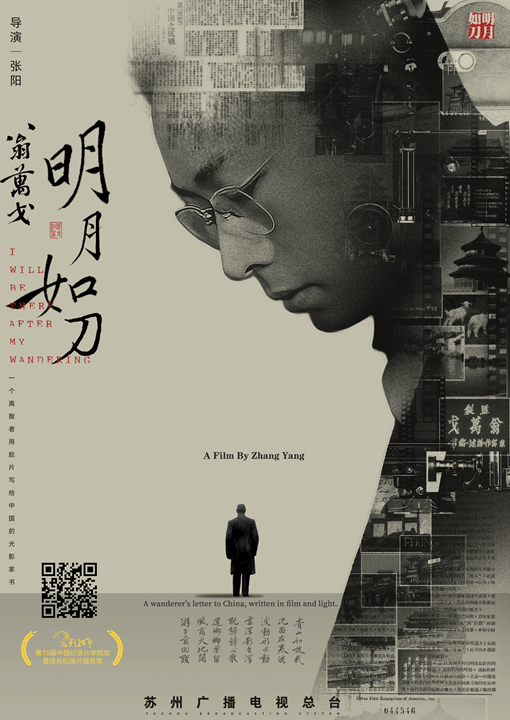
by 張陽
章節三、鎔美鑄華
紐約Nassau Street,如今是曼哈頓金融區的一條短小的街道,我們試圖在這裡尋找一個早已消失的地方——哈蒙基金會舊址。
「我那個時候沒有門兒,就去找這個《紐約時報》看廣告,我就用了一張畫兒(應聘),後來就畫連環畫,掙很少的錢。」[1] 1941年,翁萬戈用一張漫畫開啓了新生活,很快,他結識了華美協進社(China Institute in America)第二任社長孟治(Meng Chih),孟治先生曾是五四運動的學生領袖,也是最早赴美的留學生之一。他建議翁萬戈,既有工程專業的底子,又有文學和繪畫基礎,兩者結合起來,電影是最適合的方向,隨後便將他介紹至哈蒙基金會(Harmon Foundation)學電影。每天上午9點到下午5點學習電影製作,晚上回家要畫一頁連環畫維持生計,這樣的生活維持了三四個月,直到翁萬戈可以獨立製片。「我幾乎每天只睡五個小時,那段經歷讓我成長為一個真正的男人,因為那是我一生中最艱難的時刻。」[2]獲得基金會的獎學金之後,他辭去了連環畫的工作,開始每日浸泡在紐約圖書館,借讀當時已出版的電影著作。在哈蒙基金會一年多時間里,翁萬戈先後製作了《美國之中國古畫》《出自中國畫筆》《中國兒童》《中國必得我們幫助》等影片。製作電影的成就感立竿見影,這驅散了他改弦更張的陣痛。
1942年至1943年間,好萊塢積極籌拍以中國為背景的電影,既為配合羅斯福政府「對中國爭取自由,反抗侵略之奮鬥,特佳贊揚」的戰時政治宣傳定位,也試圖借助美國社會興起的第二次「中國熱」拓展市場。然而,時任美國國務院電影顧問的翁萬戈,對《中華萬歲》(China,1943)、《飛虎嬌娃》(Flying Tigers,1942)、《中國女郎》(China Girl,1943)等影片深感不滿,認為這些作品仍是「描寫美國人在中國建奇功的玄想故事」,並評論道:「這些影片都逃不出奇情劇(melodrama)的範圍。」[3]
1945年,華美協進社與哈蒙基金會聯合出品紀錄片《鎔美鑄華》(The East in The West),講述中國留美學生的故事。翁萬戈擔任寫作、講述、美術、編剪等職務,他終於獲得機會,在作品中充分抒發自己的思想與志向:「文化沒有疆界,山雖然高,海雖然廣,但從不能阻礙思想的傳播。近代運輸的進步,把地球無形中縮小,國與國間把知識自由地交換,促進了世界文明的前進。」[4]
翁萬戈在影片中塑造了一組受過良好教育的中國人群像,從工程到農業,從生物到醫學,他梳理了當時在美國工科領域中重要的中國面孔,也不忘展示在文學藝術方面深耕的華人——「新聞系的學生研究如何蒐集材料、編印報紙、傳達新聞、樹立輿論;電影是近代一種最有效率的教育工具。戲劇有潛移默化的力量;音樂、雕刻、繪畫,哪一樣不把人生的覺察、情感鍛鍊成精華返回來鼓舞人生,打破了古今中外的藩籬。」
對個人而言,影片還有著更特別的意義——這是翁萬戈與妻子程華寶的定情之作,兩人在哈蒙基金會相識,隨後攜手完成了創作。
1944年,翁萬戈與程華寶在紐約布里克教堂舉辦婚禮。新婚的喜悅,恰逢抗戰勝利的曙光,翁萬戈的電影事業漸入佳境。
1946-1947年,美國國務院文化司邀請中國文化界名人赴美考察,翁萬戈借此結識了小說家老舍、戲劇家曹禺、漫畫家葉淺予及其夫人——舞蹈家戴愛蓮;同時,中國電影界也派出三位代表赴美:製片人鄭用之(前中國電影廠廠長)、導演司徒慧敏與孫瑜。一時間,紐約的華人文化圈變得熱鬧起來。[5]翁萬戈趁勢創辦中國電影企業美國公司(China Film Enterprise in America),雖為初創,陣容卻稱得上豪華:公司標識由葉淺予設計繪製,司徒慧敏擔任副總經理,鄭用之與孫瑜擔任董事。成立一年間,公司先後攝制《中國人物畫》《中國山水畫》《中國民間舞》《中國影戲》等短片,其中後兩部影片入選1948年愛丁堡第二屆國際寫實電影節展映單元。
1948年,翁萬戈在孫明經創辦的《影音》月刊上發表《「中國電影企業」在美一年錄》,介紹公司基本情況的同時,明確表達了自己的創作目標:「公司雖然設在美國,我們的基礎仍在中華,所以本年最大的希望,是同國內製片家及攝影家合作,把值得介紹的中國風土人情文物攝制出來,到此地編剪錄音,供給國外的觀眾;同時國內影界同志推廣了影音工具在教育上的應用,我們自然也可以大量地把歐美名教育及寫實片製成中文,灌輸到國內來。」[6]
美國聖勞倫斯大學國際與跨文化研究中心副主任鄭硯秋在採訪中說,在那個年代,普通美國人對中國的認知,僅停留在華埠與華工層面,並未看到中國令人仰慕的文化內核。從這個意義上來講,翁萬戈是在用影像的手段,踐行著文化外交。
在紐約,我們拜訪了翁萬戈的老同事Henry Steiner,Henry與父親Leopold Steiner都曾和翁萬戈搭檔拍攝電影,Leopold Steiner也是在二戰的影響下從奧地利移民美國,與翁萬戈同在哈蒙基金會學習電影,他們都嘗試借助電影手段,訴說被迫離開並且正遭摧毀的故土文化。這樣的動力,持續了數十年,甚至一生。
1945年,二戰結束前夕,翁萬戈開始協助教育家晏陽初籌劃「平民電影」(People's Films)與「平民出版」(People's Press)兩大項目,並起草了《平民電影廠計劃綱要》(A Plan of the Peoples’ Films),文中寫道:「以電影教育我國民眾,不但三萬萬文盲可以受惠,即已受教育之一般公民亦可因之激發其向上之心……利用電影消除我國的愚、弱、貧私」[7]
然而,1946年,抗戰勝利的熱氣尚未散盡,新一輪的戰爭已然醖釀,這項充滿理想的計劃隨之破產。
章節四、長飛返國
2025年5月,我第一次見到翁萬戈的女兒翁以思,她剛結束十幾個小時的飛行,從美國回天津看望家人。「父親出生在一戰勝利的1918年,而我出生在二戰勝利的1945年,我們和歷史的關係都很緊密。」未曾經歷普通話在本土近幾十年的融合與變遷,她一開口,仍帶著與父親相近的京腔——那是翁萬戈1938年赴美後,便停滯生長的口音。我們隨她一同來到堂兄翁以鈞家中,桌上擺放著一張1948年的家庭大合影,彼時照片里的翁以思,只有3歲。
1948年,抗戰勝利過去兩年多,離家已十載,回國探親的心願難以壓制。翁萬戈與妻女分頭先後回國,這一次,他在飛機客艙中寫下《長飛返國行》,比起十年前在郵輪上寫《明月如刀》時的他,此刻更顯雀躍和豪邁:
雲飛天上天,
地吞山外山,
心入空冥身若仙,
生今死古往還間。
長風逐日日不沒,
萬里雲霞在襟袖;
鵬翼塵埃笑金闕,
天池野馬恥宮囿。
君不見
太空無界國無邊,
且摘明月照詩篇。
在天津扶輪社,他發表「電影與國際關係」的主題演講:「現在中國的電影還不能拿到外國去放映,一部記錄中國人民實際生活的影片,必可增加這世界對於中國的瞭解。」在北京蘇州衚衕,他向大家介紹美國發達的教育影片與新聞紀錄片。隨身攜帶16毫米電影機,他在戰爭的間隙,開始一場大地行走。
在天津,這座承載了翁萬戈童年記憶的城市,他用鏡頭撫摸貧民的生活百態,也定格了戰後重建中的南開校園:「昨日的荒蕪,終將成為明日的花園,天津乃至整個中國,能無所畏懼地直面未來。」[8]
在北京,他贊嘆歷經千年的皇家建築之美,也捕捉著市民的日常狀態,「在此我們或可慶幸,不同於那些威嚴的帝王,他們肩負統治萬民的重任,以致無法毫無拘束地欣賞自然和藝術之美,我們卻能安然欣賞這景色,悠然地拋下釣線,無需擔心被注視。」[9]
在南京,他記錄下巨變來臨前的寧靜——故都的建築、城牆的彈坑、勞作的農民、欣賞雨花石的青年——鏡頭裡也藏著「大江東去浪淘盡,千古風流人物」的慨嘆。
在杭州,他帶家人泛舟西湖,「周圍群山環繞,它的情緒不斷變化,有時清寂而平靜,有時明媚而靈動,四時皆有魅力。」[10]
而面對常熟,這座陌生又親切的故鄉小城,他留下了一段深情的告白:「樹高千尺,葉落歸根,我終將在結束漂泊之後回到故鄉。」[11]
後來,翁萬戈將此次回國拍攝的素材整理製作成5集紀錄片,分別是《北京,馬可波羅的奇跡》(Peking, Marco Polo’s Wander)、《天津,華北的門戶》(Tientsin, Gateway to North China)、《南京,中國的故都》(Nanking, the Southern Capital)《杭州,中國的園林城市》(Hangchow, China’s Garden City)、《揚子江畔一小城》(A Town by the Yangtze),哥倫比亞大學將其合稱為《中國大地》系列[12]——這是翁萬戈一生唯一實拍於中國的影片,為戰爭籠罩下的故土,留下了罕見而珍貴的日常景象,也成為他電影遺產中最為動人的「影像家書」。
「解放戰爭時期,沒人有心思去拍普通人的日常,這樣的題材顯得不合時宜。可翁萬戈卻拍下了這些珍貴畫面,讓我們看到宏大歷史背後,中國人是有這樣的一種節奏在生存著,他們與世無爭,安穩度日,這些同樣是歷史,同樣值得去記錄。」(中國電影藝術研究中心研究員李鎮)
「帶著童年和故土的記憶,翁萬戈的視角很特別,他始終游移在中西兩種文化之間。」(哈佛大學洛克菲勒亞洲藝術專席教授汪悅進)
「很像是翻看明清時候關於地方名勝描繪的冊頁一樣,他進行剪輯和串聯,從而形成了一個關於家鄉的記憶剪影。這一切的起點都是這一個個體,這一個人,他走向了那個地方。」(前波士頓美術博物館亞洲部助理應非兒)
「翁萬戈覺得家鄉的過去和現在是融為一體的,他很喜歡拍河流。對他來說,河流代表著歷史和時間的流逝,更是他連接自己與家鄉的情感紐帶。」(哥倫比亞大學東亞系電影與媒體研究副教授錢穎)
攝制組沿著舊影的痕跡,在幾個城市尋找著現實的對應位置:有些景象早已隱入塵煙,有些仍能清晰辨認。翁萬戈用膠片為故土創建了一個時間的圖層,後人得以在今天翻看到歷史的層累。鏡頭中,他鮮少記錄戰火的痕跡,只在《八十自述》中道出了心底的傷感:「回到常熟老宅彩衣堂,經過日偽侵佔,國軍回收以後,變成了傷兵醫院,根本無法進去觀察,重溫舊夢。戰後破爛的市容,荒涼的祖墳,焚燒成殘垣斷瓦的丙捨,只有農夫的小羊使我感到一絲童年的樂趣。」[13]
1948年底,深知無法在故國久留,翁萬戈與父母兄弟商議後,決定整理登記在自己名下的書畫、古董、文獻,並將其帶到美國——這也是他第一次查明屬於自己的遺產。父親親自將文物裝箱運上船,翁萬戈迎來了又一次別離,「那一天我拜別雙親,百感交集,但料不到這是永訣!」
(下期續……)
[1] 2013年翁萬戈錄音,翁以思提供
[2] 2016年翁萬戈錄音,翁以思提供
[3] 李笑穎.羅靜予與太平洋戰爭時期中美電影的跨國互動(1941—1945)[J].電影藝術,2025(5):20-21.
[4] 紀錄片《鎔美鑄華》解說詞
[5] 翁萬戈.八十自述[M].第一版.上海:上海書畫出版社,2026: 53
[6] 翁萬戈.「中國電影企業」在美一年錄[J].影音,1948,7(1)
[7] 翁萬戈.平民電影廠計劃綱要[J]電影與播音,1946,第5卷 第8-9期,74頁
[8] 翁萬戈紀錄片《天津,華北的門戶》解說詞
[9] 翁萬戈紀錄片《北京,馬可波羅的奇跡》解說詞
[10] 翁萬戈紀錄片《杭州,中國的園林城市》解說詞
[11] 翁萬戈紀錄片《揚子江畔一小城》解說詞
[12] https://findingaids.library.columbia.edu/archives/cul-11018656_aspace_b3c37febdf9519f1ca44002126b2f9ad
[13] 翁萬戈.八十自述[M]. 第一版.上海:上海書畫出版社,2026,61
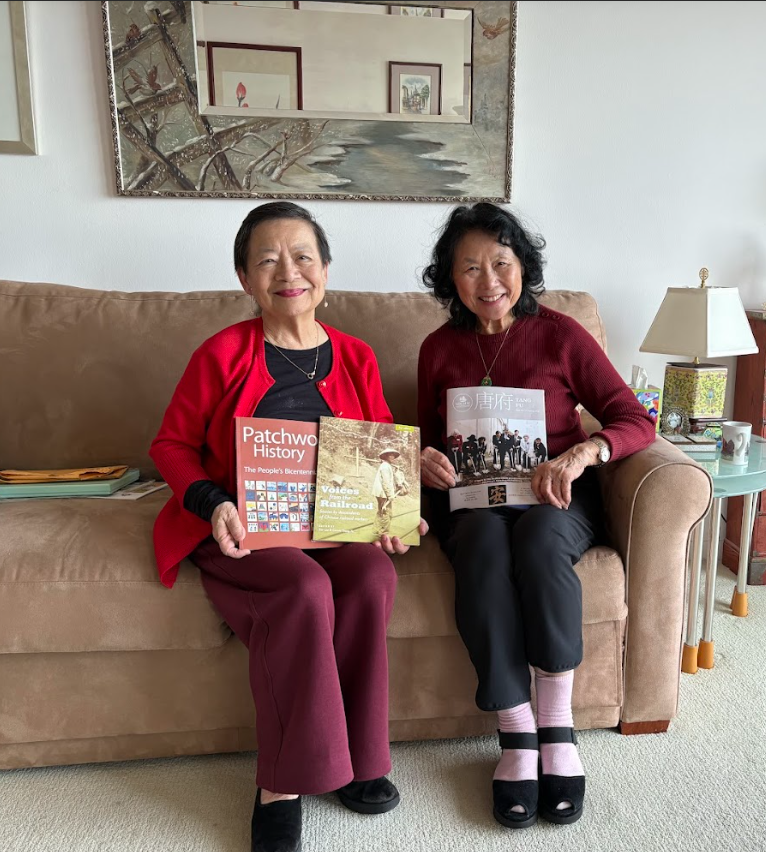
BY Lilly Cheng
"That's our first foothold in America, but there were challenges and barriers every step of the way."
- Connie Young Yu
On a sunny afternoon before the arrival of the Lunar New Year I took a city bus from San Francisco Chinatown and stopped right in front of a fabulous condominium building next to Ghirardelli Square. I met Connie Young Yu at her pied a terre - a studio apartment with an expansive view of San Francisco Bay and Alcatraz looking up-close. Chatting and sipping tea, I felt I was stepping into a living archive of Chinese American history—one animated not just by dates and facts, but by personal life stories, memory, persistence, and moral clarity. Connie smiled and gazed into distance and talked about her first ancestor in America, her maternal great-grandfather, Lee Wong Sang, coming to America to work on the Transcontinental Railroad, and how he became a merchant in San Francisco's Chinatown, raising a family above a store on Dupont Street, today's Grant Ave.
Connie was born in Los Angeles, June 19, 1941, the second daughter of John and Mary Young, both American-born Chinese. Her early years were in Whittier, in Southern California, with her mother, sister Janey and her paternal grandparents who spoke only Cantonese to her. Her father, an engineer in the US Army Reserves, was sent overseas after Japan's attack on Pearl Harbor, assigned as a combat ordnance officer in CBI (China-Burma-India theatre of operations). After the war, he returned home to civilian life, and became a manufacturer of soy sauce, relocating his family to San Francisco Chinatown. They were able to move to a home in Richmond district, a whites only neighborhood because John's fellow army reserve officer, a German-American, bought the house first, and then sold it to him. John C. Young became a leader of Chinatown's Chamber of Commerce, organizing the first public lunar new year parade. As commander of American Legion Cathay post, he spearheaded the project to build the War Memorial in St. Mary's Square, honoring Chinese servicemen in WWI and WW2 who made the ultimate sacrifice. John and Mary Young were early supporters of the Chinese Historical Society of America (CHSA), dedicated to bringing forth the history and contributions of Chinese pioneers. It was inescapable. Connie grew up with a sense of pride—and purpose.
She attended San Francisco public schools and Mills College, graduating with a degree in English. Her senior thesis was, "Mark Twain and the Chinese."
Connie spoke with quiet authority about Chinese American history, especially the long-overlooked lives of the Chinese railroad workers who helped build the Transcontinental Railroad. She also spoke of how her parents attended the 100th anniversary of the Golden Spike, along with CHSA president Phil Choy, who was denied the opportunity to present a plaque honoring Chinese railroad workers, even though he had been invited to do so. Fifty years later, Connie would become the representative of CHSA, giving the opening address at Spike 150 on May 10, 2019, at Promontory, Utah.
She also talked about her mother and how her mother encouraged her to "do something for women." Chinese women like her grandmothers were often unseen figures who held Chinese American families together across generations of exclusion, migration, and adaptation. Their stories added another layer of depth to her work, reminding me that while railroad labor and immigration policy toward Chinese - focused on men, survival itself was sustained by women.
One of the most moving parts of our conversation was when Connie spoke about her paternal grandfather, Young Soong Quong, a loyal supporter of Dr. Sun Yat-sen who instilled the great leader's ideals in his family and community, a dedication that carried forward through future generations. "The great leader was from Heungsan district of southern China, the same as Grandpa." Heungsan was later renamed Zhongshan in honor of Dr. Sun, her father told her. He also said that their family name, Young, shared the same Chinese character as another Cantonese hero, Yung Wing, the first Chinese to graduate from an American university, who advocated the modernization of China through building railroads.
While Connie was in high school, both her mother and father encouraged her to record stories of Chinese American history from people who had lived through it. Her mother took her to interview people in Chinatown who had fled the San Francisco earthquake, as well as the editor of the Young China newspaper who had known Sun Yat-sen. Her father took her to visit an “old revolutionist,” a friend of her grandfather, who told her that in 1914 on Grant Avenue he had assassinated an envoy of Yuan Shikai, the enemy of Dr. Sun Yat-sen.
Living for decades in the South Bay, even before it was Silicon Valley, Connie has been a key figure in recovering the history of the Asian communities. She was a consultant at three archaeology sites of Chinatowns in San Jose. She was a founder of AACI, Asian Americans for Community Involvement, and is a trustee of Hakone Foundation in Saratoga. She conducted oral histories of descendants for Stanford's Chinese Railroad Workers in North America Project. She is a historian for the Chinese Historical and Cultural Project (CHCP).
Time seemed to stop at the moment when Connie spoke about Angel Island, the history of the immigration station deeply personal. Her grandmother, the widow of Lee Yoke Suey, returning from China to San Francisco, was detained in the barracks for 15 months before she was finally released by the 9th Circuit Court of Appeals. "The Chinese were presumed guilty until proven innocent."
I could almost see the hundreds of Chinese from Canton sailing for weeks and months across the ocean and finally landing on the shores of Gum San (Golden Mountain). They stepped off the ship and onto Angel Island, their eyes wide open and their hearts pounding with fear and uncertainty. Connie spoke at length about how she served on the citizens' committee that saved the immigration barracks from demolition and helped restore them as a historic monument. It is the "writing on the wall"—the hundreds of poems carved by detainees—that stand as testimony to the Chinese immigration experience.
Connie described her husband, Dr. John Kou-Ping Yu, an oncologist, as a steady source of support and intellectual companionship—allowing her to pursue all her endeavors and projects, without pay. Married for 63 years, their partnership reflects a shared belief in truth, education, and community responsibility. Connie and John have lived in Los Altos Hills since 1970, raising three children—Jennifer, Jessica, and Martin—who grew up surrounded by history, attending marches, visiting Angel Island, and participating in Chinatown events with their grandparents.
Connie spoke about her daughter, Jessica Yu, director of documentaries, TV series, and feature films, who won an Oscar for the short documentary Breathing Lessons: The Life and Work of Mark O'Brien, and that her very first film was Homebase: A Chinatown Called Heinlenville for the Chinese Historical and Cultural Project. Connie also spoke fondly of her son-in-law, Mark Salzman, author of the book Silk and Iron, describing his experience teaching in China and calling him the true Chinese scholar in the family.
Now Connie's grandchildren are carrying on the family tradition of oral history. Jessica and Mark's daughters Ava and Esme—and Clementine, daughter of Jennifer and Sean—all three have interviewed their "Poh-Poh" at length and created artworks based on their ancestral stories.
Time flew by so quickly when the evening lights descended on us. We continued our conversation over dinner at the fabulous McCormick & Kuleto's Seafood. We were savoring the delicious calamari and crab and lobster dip and chatting away. The night was young and the dialogues were fun. We walked back to her condo under the moonlight. I bid her farewell and I promised that we would meet again soon.
Meeting Connie Young Yu left me with a profound appreciation for how personal history and public history can reinforce one another. Through the strength of her family and her unwavering dedication, she has helped ensure that Chinese American stories—men’s and women’s, past and present—are remembered, honored, and carried forward. Our meeting left me with a deep sense of gratitude and responsibility. Connie Young Yu embodies what it means to be a steward of history: careful, principled, and unwavering. In preserving the stories of those who were deliberately forgotten, she has given all of us a clearer, more honest understanding of where we come from—and a better sense of what justice in historical memory can look like.

親愛的讀者朋友們,
2026年7月4日是美國建國250週年,這是美國歷史上一個極具意義的重要里程碑。值此紀念時刻,本期封面人物特別介紹一位我非常敬佩的華裔女性——虞容儀芳(Connie Young Yu)。她不僅記錄了無數華人在美國奮鬥的故事,也整理並保存了華人先輩在美國留下的珍貴歷史與血淚記憶,讓這些曾被忽略的故事得以流傳,並為他們發聲。
今日的我們,是奠基於無數先人的努力與奉獻。回顧歷史,我們不僅要緬懷前人的足跡,更要銘記華人為美國社會所作出的貢獻與犧牲。虞容儀芳女士畢生致力於保存華裔美國人的歷史,是我十分敬佩的一位傑出女性。希望大家能從她的人生故事中獲得啟發。
在此,我謹向虞容儀芳女士致上最崇高的敬意。她是一位非凡的女性,衷心感謝她一生無私的奉獻,以及她為保存歷史、促進族群理解、讓世界變得更加美好所付出的一切。謹此向她致敬,也獻上最誠摯的祝福。
-------------------------------------------------------
To Our Readers
July 4, 2026, marks the 250th anniversary of the founding of the United States—an important milestone in the nation's history. The cover person of this issue is a woman whom I deeply admire—Connie Young Yu (虞容儀芳). She is a remarkable woman whose life embodies wisdom, compassion, and an unwavering commitment to preserving history.
For decades, Connie has documented the stories of countless Chinese Americans who have lived, worked, and struggled to build their lives in the United States. More importantly, she has devoted herself to recording the hardships, sacrifices, and contributions of earlier generations of Chinese immigrants, ensuring that their voices are heard and their experiences are not forgotten.
Our present is built upon the dedication and sacrifices of those who came before us. As we reflect on history, we not only honor their legacy but also recognize the invaluable contributions Chinese Americans have made to the United States. Connie Young Yu is an extraordinary woman whom I deeply admire and respect. We extend our heartfelt best wishes to her and hope that her remarkable life story will inspire every reader.
It is with my deepest respect that I pay tribute to Connie Young Yu, a truly extraordinary woman. I am sincerely grateful for her lifelong dedication and for the countless ways she has helped make the world a better place.
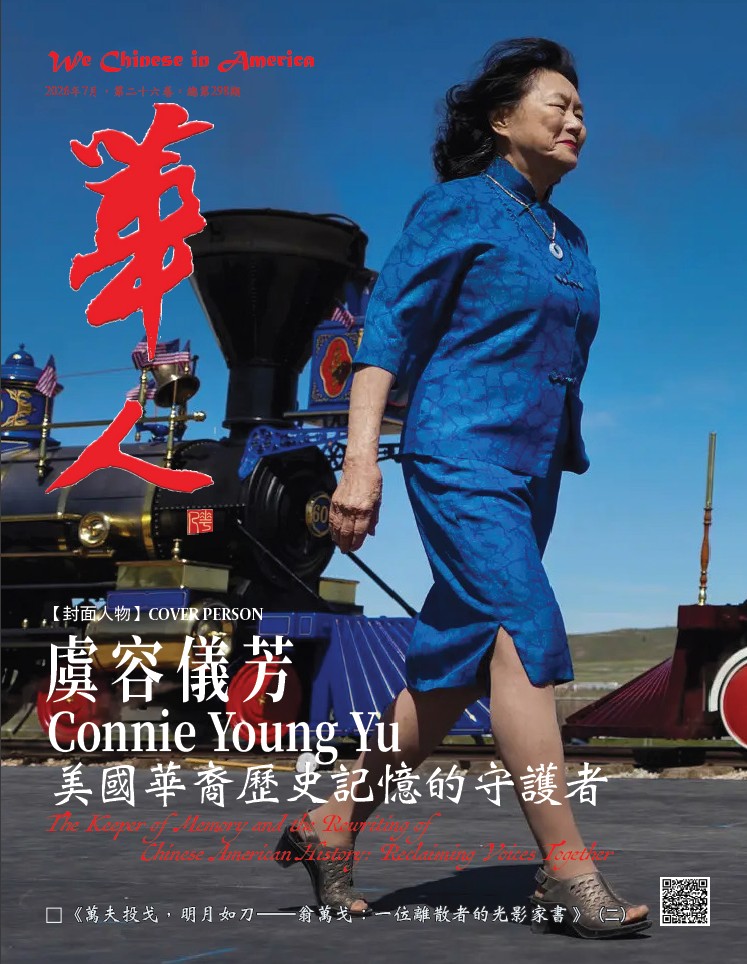
文| 劉麗容 Lilly Cheng
「那是我們在美國立足的第一步,但一路走來,每一步都充滿挑戰與阻礙。」
- 虞容儀芳 Connie Young Yu
虞容儀芳(Connie Young Yu)。她不但記錄了許許多多在美國生長奮鬥的華人的故事,她更將過去先輩華人在美國留下的血淚史作了記錄也為他們發聲!我們的過去是有先人的腳步,我們的現在不但要緬懷過去,也更要紀念他們的所作所為。虞容儀芳是我敬佩的傑出女性,我們祝福她並尊敬她。希望大家能由她的故事得到啓發。
在農曆新年前一個陽光明媚的午後,我從舊金山的華阜(Chinatown,也稱中國城)搭乘市區巴士,在Ghirardelli Square旁一棟氣派的公寓大樓前下車。我在她的臨時居所與虞容儀芳(Connie Young Yu)見面——那是一間可以將整個舊金山灣區與惡魔島(Alcatraz)近距離盡收眼底的單間公寓。我們一邊啜飲清茶,一邊交談,我彷彿走進了一座活生生的華裔美國人歷史檔案館——這裡不僅由年代與史實構成,更由個人生命故事、記憶、堅持與道德信念所賦予生命。
儀芳微笑著望向遠方,談起她在美國的第一位祖先——她的外曾祖父 Lee Wong Sang。當年他遠渡重洋來到美國,參與建造「太平洋鐵路」,之後在舊金山華阜成為商人,在 Dupont Street(今日的 Grant Ave)店鋪樓上成家立業。
她接著談到她的祖父Lee Yoke Suey,經歷1906年舊金山大地震。期間,祖父為了取回留在店裡的出生證明,不惜冒著生命危險返回現場。然而一名士兵誤以為他是搶劫犯,用刺刀刺傷了他。所幸傷勢不重,他最終成功逃離,保住了性命。那張出生證明至今仍由儀芳保存著,是她母親連同其他珍貴紀念物一同傳承給她的。
我們的對話在這座深刻塑造華裔美國人歷史的城市中展開。華阜的故事、儀芳的人生與她的工作交織一起,使人無法不感受到街道背後影藏地歷史重量。舊金山不只是個地名,更像是一位參與者——半個世紀以來持續講述與守護的歷史的一部分。
我逐漸明白,儀芳書中與紀錄片中的故事,多源自她父母口述的歷史,並伴隨她一生。在「美國民權運動」與「反越戰運動」的抗議年代,她開始理解華裔美國人如何在《排華法案》 的壓迫下奮力抗爭,並在多起具有里程碑意義的案件中,將不公一路帶到美國最高法院。她的寫作也因此成為行動的一部分——一場深刻而個人的抗爭。
她還只是嬰兒時,《排華法案》仍然存在,由慈愛的祖父母照顧。然而,他們無法取得公民身分,被視為永遠的「外國人」。
虞容儀芳本姓容,冠夫姓虞,英文名Connie Young Yu,1941年6月19日出生於洛杉,是John與Mary Young的次女,雙親皆為在美國出生的華裔。她的童年在南加州的Whittier度過,與母親、姊姊Janey以及只對她說廣東話的祖父母一同生活。她的父親是美國陸軍US Army Reserves的工程師,在日本攻擊珍珠港之後被派往海外,於CBI(China-Burma-India戰區)擔任軍械軍官。戰後,他返回美國,回歸平民生活,創業製造醬油,並將全家遷往舊金山華阜。
他們之所以能搬入Richmond district——一個當時僅限白人居住的社區——是因為父親的一位德裔美國軍中同袍先行購屋,再轉售給他。John隨後成為華阜商會的重要領袖,創辦了第一個公開舉辦的農曆新年遊行。身為American Legion Cathay post的指揮官,他也主導位在St. Mary's Square所興建的戰爭紀念碑,以紀念在兩次世界大戰中為國犧牲的華裔軍人。John與Mary同時也是美國華人歷史學會(Chinese Historical Society of America,縮寫CHSA)的早期支持者,致力於發掘並弘揚華人先民的歷史與貢獻。這樣的成長環境幾乎無法避免地影響了儀芳——她在自豪與使命感中長大。
她就讀於舊金山的公立學校,隨後在密爾斯學院完成了英文主修課程,其畢業論文的研究主題為《Mark Twain and the Chinese》。
她以沉穩而堅定的語氣談起華裔美國人的歷史,尤其是那些長期被忽視的華工——他們曾參與建造「太平洋鐵路」。她提到,她的父母曾與華人歷史學會會長Phil Choy一同出席金釘百年紀念活動,但儘管受到邀請,Phil Choy卻無法上台為華工致敬並呈獻紀念牌。五十年後,歷史出現了轉折——虞容儀芳代表華人歷史學會會長,於2019年5月10日在猶他州普瑞蒙特瑞舉行的150週年紀念活動(Spike 150)上發表開幕演說,為華工發聲,讓歷史終於得以修正與回應。
她也談到她的母親,以及母親如何鼓勵她「為女性做一些事情」。像她祖母那一代的華人女性,往往是歷史中不被看見的存在,卻在排斥、遷徙與適應的世代更迭中,撐起整個華裔美國人家庭的延續。這些女性的故事為她的研究增添了另一層深度,也提醒我:儘管鐵路建設與移民政策的歷史多半以男性為中心,但真正支撐生存與延續的,往往是女性。
我們的對話中最令人動容的一刻之一,是她談到她的祖父Young Soong Quong——一位忠誠支持孫中山先生的人。他將這位偉大領袖的理念深植於家庭與社群之中,這份信念也延續至後代子孫。「這位偉大的領袖來自中國南方的香山,與祖父一樣。」她的父親告訴她,香山後來為紀念孫中山而改名為中山。他還提到,他們的姓氏「Young」(楊)與另一位廣東英雄容閎(Yung Wing)所用的是同一個漢字——容閎是第一位從美國大學畢業的中國人,並主張以興建鐵路推動中國現代化。
當她還在念高中時,她的父母便鼓勵她記錄那些親身經歷歷史的華裔美國人的故事。她的母親帶她到華阜採訪曾逃離舊金山地震的居民,以及一位認識孫中山的《Young China》報紙編輯。她的父親則帶她拜訪一位「老革命家」——祖父的朋友。她從對方口中得知,1914 年在 Grant Avenue上,他曾刺殺袁世凱的一名使者——這位使者正是孫中山的敵人。
在南灣居住數十年——甚至早於矽谷成形之前——虞容儀芳已成為重建亞裔社群歷史的重要人物。她曾擔任聖荷西三處華埠考古遺址的顧問,也是亞裔美國人社群參與協會(Asian Americans for Community Involvement,縮寫AACI)的創辦人之一,同時擔任Saratoga的Hakone Foundation理事。她也為史丹佛大學的「北美鐵路華工研究項目(Chinese Railroad Workers in North America Project)」進行後代口述歷史訪談,並擔任華裔美國人歷史博物館( Chinese Historical and Cultural Project,以下簡稱CHCP)的歷史學者。
她談到「天使島」(Angel Islan)時,時間彷彿靜止。那段關於移民站的歷史對她而言極為個人而深刻。她的祖母——Lee Yoke Suey 的遺孀——自中國返回舊金山時,被拘留在移民木造營舍中長達十五個月,最終經由第九巡迴上訴法院裁決才得以釋放。「華人被預設為有罪,直到證明清白。」
我彷彿看見數百名來自廣州的華人,歷經數週甚至數月的海上漂泊,終於抵達被稱為「金山」(Gum San或Golden Mountain)的彼岸。他們踏下船板,走上天使島,雙眼睜大,心中充滿恐懼與不確定。儀芳詳細地談到,她曾參與公民委員會,成功阻止移民拘留營舍被拆除,並將其保存與修復為歷史紀念地。而那些刻在牆上的文字——數百首由被拘留者刻下的詩句——正是這段華人移民歷史最真切的見證。
我暗自下定決心,在下一次造訪舊金山灣區時,一定要親自前天使島一探究竟。
關於她的先生,一位腫瘤科醫師 John Kou-Ping Yu,她形容是他穩定的支持力量與思想上的同行者,使她在無報酬的狀態下依然能夠長年投入各項研究與公共事務。兩人現結縭六十三年,他們的伴侶關係建立在對真理、教育與社區責任的共同信念之上。自1970年以來,儀芳與John定居於洛沙托斯希爾斯,養育三位孩子——Jennifer、Jessica與Martin。他們在充滿歷史意識的環境中長大,從小參與遊行、造訪天使島,並與祖父母一同參加華阜的各類活動。
當談到她的女兒虞琳敏(Jessica Yu)——一位紀錄片、電視劇與電影導演,曾以短片紀錄片《馬克·奧布萊恩的生活和工作》(Breathing Lessons: The Life and Work of Mark O'Brien)獲得第69屆奧斯卡最佳紀錄短片獎的傳記作品。她的第一部作品是為 CHCP拍攝的《Homebase: A Chinatown Called Heinlenville》。她也滿懷欣賞地談起她的女婿 Mark Salzman——《Silk and Iron》一書的作者,並提到他在中國任教的經歷,稱他是家中真正的「中國通」。
如今,儀芳的孫輩們正延續家族的口述歷史傳統。Jessica與Mark的女兒Ava和Esme,以及Jennifer與Sean的女兒Clementine——三位孫女都曾長時間訪問她們的「婆婆」,並以祖先的故事為靈感創作藝術作品。
當夜幕降臨、燈火漸亮時,時間彷彿飛逝。我們在McCormick & Kuleto's Seafood共進晚餐,繼續未完的對話。一邊品嚐美味的炸花枝、螃蟹與龍蝦沾醬,一邊談笑風生。夜色正好,談話輕鬆愉快。我們在月光下步行回到她的公寓,我向她道別,並約定不久之後再次相見。
與儀芳的相遇,讓我深刻體會到個人歷史與公共歷史如何彼此交織、相互強化。透過她家族的力量與她長久不懈的投入,她守護並確保華裔美國人的故事——無論男性或女性、過去或當下——都能被記得、被尊重並持續傳承。這次會面也帶給我深深的感謝與責任感。虞容儀芳正是「歷史守護者」的典範:謹慎、堅定、充滿原則。在保存那些曾被刻意遺忘的故事時,她讓我們對自身的來處有了更清晰、更誠實的理解,也讓我們更接近「歷史記憶中的正義」應有的樣貌。