


(劉廣琴 記)
在一個細雨濛濛的冬日,我來到了紐約公園大道劉廣琴的住所。門一打開,就見到她慈祥和藹的笑容。她熱情地歡迎我進入,並準備了豐盛的午餐。我們一見如故,談著談著,時間不知不覺就過去了。
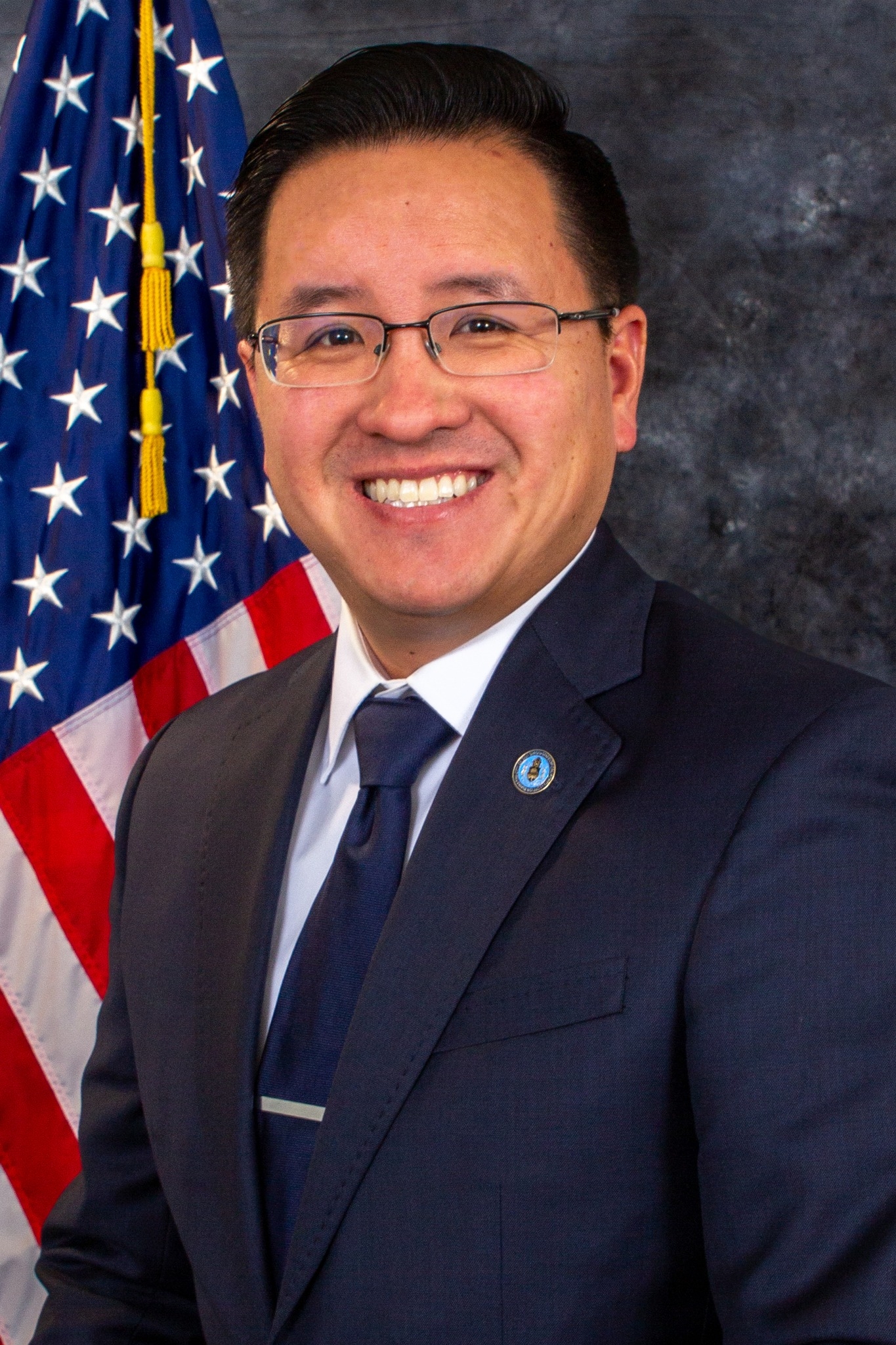
BY LILLY CHENG, KENT LEE
On December 12, 2022, the San Diego City Council held its swearing-in and transition ceremony at the downtown San Diego Central Library auditorium. Four council members were sworn in that day, and the most notable among them was Kent Lee, the Asian American council member representing the Sixth District. At the time, he was the youngest Asian American political candidate elected to the San Diego City Council.
Earlier in June of the same year, Kent Lee appeared as the cover feature of WeChinese magazine, where he shared his motivations for public service and his political ideals. Born in Los Angeles, he represents a typical post-1980s generation, and he graduated from the University of California, San Diego (UCSD) with dual degrees in Economics and Biology.
Since 2016, he has served as the executive director of the Pacific Arts Movement, one of the largest media arts organizations in North America, dedicating himself to promoting Asian American and Pacific Islander visual storytelling. He is widely recognized for hosting the San Diego Asian Film Festival. His experience in the cultural and arts sectors has provided a strong foundation for his later work in public policy.
Nearly four years into his political career, WeChinese had the privilege of interviewing him again, offering the public a glimpse into how a young Asian American politician navigates the balance between ideals and reality. The interview also provided insight into how his political experience has gradually shaped and deepened his thinking, while outlining a broader vision and roadmap for the future. This trajectory of growth is inspiring, and he is expected to continue making a profound and lasting impact on the city and its communities, particularly within the Asian American community.
Life, Family & Future
Family roots, immigrant journeys, parenthood, and the road ahead
► Tell us about your family background.
Family-wise, it has always been a little complicated. My grandparents on both sides are from Southern China.Both families are Toisan, speaking Cantonese.My mother’s family later settled in Vietnam, while my father’s family ended up in Burma, which is where my parents were born. Both of them later immigrated to the United States, and I grew up in the Los Angeles area. My mother was the youngest of ten children, and my father was the youngest of seven I am currently married with two children.
My wife’s family background is also connected to Southern China—her mother’s grandparents are from Southern China, and her father is from Vietnam
► Where do you see yourself ten years from now?
I don’t have an answer for that. I didn’t plan my political path this way. When we met at the Newport Movement and the Generation Home Festival, my life had been focused on nonprofit work. Politics was not part of the plan, so it’s hard to say what the future holds. I ended up here because I wanted to serve the community, and this became a way to do that.Wherever I go next will be guided by the same principle: serving people.
► Knowing that you’re on the city council and a father of two, if you had a completely free day, what would you do?
I think I will catch up on sleep, because sleep deprivation is not a good thing. Right now, as we’re doing this interview, I’m actually at home, since the kids are on school break. Usually, when we have free time, we spend it with family in some way. Sometimes we like to travel and visit local attractions, just like many other families. The kids enjoy various activities, but we usually stay nearby in San Diego.
Driven by Purpose
Family, service, empathy, and the values that shape a life
► What drives you?
I think sometimes each of us needs to find things that give us a sense of purpose. For me, part of that purpose is that my job is to serve people in some way. That’s part of why I’m here. I can also say that about eight years ago we had our first child, and for me, family has become a very important part of my life. Of course, it’s not just because of my wife, Phuong, and our two children, but also because I have a responsibility to support them. Especially with our kids, part of our responsibility is to help them learn and grow, and that often means learning ourselves along the way—learning on the go, learning as we parent.
I’m sure every parent can attest that there are many moments when you wish you could do better or more because you are responsible for them. You also see yourself reflected in your children, and vice versa.
► What are your guiding principles in life?
Some of these principles come from my experience at Pac Arts. Aside from service, I believe that compassion, kindness, and empathy are very important.
Everything we do in life is connected to others in some way—whether it’s the people we work with, the people we impact, or the people we support. Being compassionate and empathetic, and understanding what others are going through at any given moment, helps us do our work better.I truly believe that empathy is very important, and this is something I learned during my time at Pac Arts, where part of their mission was to inspire more compassion among people.
Service is also one of my guiding principles—it’s not just about doing something, but about who you choose to be as a person and how that affects others.
Aside from service, I believe that compassion, kindness, and empathy are very important.
- Kent Lee -
Leadership, Mentorship & Role Models
Learning from others, building connections, and growing through experience
► How do you define leadership?
I spent years as part of another nonprofit organization, serving on its board, where we often discussed leadership, especially among college-age students.Many people think of leadership as something you do—you are a leader, or you show leadership. But I believe that, in many cases, leadership is actually about people. It's about knowing when to follow instead of always leading.Sometimes leading means following. Leadership is also about understanding the people you are working with, building relationships, and creating positive outcomes. It's more about the connections you make and the results you help achieve than just the act of doing something. That's how I define leadership—sometimes it means leading, and sometimes it means following.
► Who are your mentors?
I have to admit, I don't have a very direct answer to this question. Sometimes, you can learn from many different people, and it doesn't necessarily have to be your teacher, mentor, or someone in a formal leadership role. You'll find that everyone around you can teach you something in some way.
For me, there have been moments in my life when a former boss taught me a lot about working in the nonprofit sector. I've also learned about the kind of leader I don't want to be through observing other people. That’s actually very important. I've also received feedback that isn't always positive. Sometimes it's hard to hear, but it’s very important because we must recognize that there’s always more we can learn.
If we're unwilling to hear both the praise and the criticism from others, we might fool ourselves into thinking we're doing a great job all the time. But I believe it's crucial to listen to people who disagree, have different perspectives, or provide honest feedback—even if it's not all positive. I feel that, in the end, we all learn and grow from people like that.
► Do you have any role models?
I think there are a lot of people we look up to because of the path they created and the impact they've had. But it's funny—I'm not sure if you'd call it a role model in the traditional sense. For example, in San Diego, many people look up to Tom Hom because he paved the way, especially in the political realm, at a time when most people like us were not in a position to lead. He chose to step up, and many would consider him a role model. That's really great, because not many API leaders showed up sixty years ago, or even half a century ago. That's remarkable.
Also, when I was at Pac Arts, we all knew Lee Ann. In many ways, following in her footsteps, you have to appreciate and recognize everything she went through to create the organization.
I would say the same for anyone who has been serving this community—because you yourself are contributing. It's really good and important to have a few role models around us.
Public Service & Governance
Driving Community Service, Achievements, and Challenges
► Why did you choose to get involved in politics?
I chose to run at that time because someone asked me to. You might remember what I was saying earlier—sometimes people need to be recognized and supported, and leadership comes in different forms. I don't mean "someone asked" just literally; at the time, many people had at least suggested the idea.But sometimes people don’t naturally see themselves in certain roles. Before running, I never thought I would get involved in politics. So it took the right person at the right time to point out that I was in the right place at the right moment. It was a chance to represent the community in a meaningful way. I saw the work I was doing at Pac Arts as service-oriented, and someone pointed out that running for office was another way to continue that same type of work.
► Tell us about what you have done, your accomplishments as a member of the city council.
I was elected in 2022, with my first year in 2023. One of my proudest impacts has been serving in leadership roles. In my second year, I had the rare opportunity to chair both the Budget Committee and the Land Use Committee, which is uncommon as most council members oversee only one committee. That year, Monica was elected to the San Diego County Board of Supervisors, creating a need for someone to fill in. Both committees are considered the most powerful in the council, so leading both simultaneously was significant. It was a very challenging budget year with funding cuts, but not so severe that choices couldn’t be made. We had to make the right decisions to support the community. I'll admit there were times we fought with the mayor and colleagues to reach budget balance.
In the end, we passed a balanced budget unanimously with the full council and signed by the mayor—a rare accomplishment for a difficult year. Since that year, I've chaired the Land Use Committee annually, tackling one of San Diego's most challenging issues: housing shortage and high costs. I am very proud of this work. Last year, and again this month, I was reelected Council President Pro Tem. During my time in council, I am proud that our office functions as a team. We strive to communicate honestly with colleagues and the public, even with people we disagree with. In a time when trust in government is very low at all levels, It's more important than ever to acknowledge hard truths and speak honestly. I'm proud that we’ve taken on this challenge, even under pressure, to do what's right.up significantly. We face the same challenges as the public, and we need creative solutions.
►What are your current challenges that you see as a member of the city council?
I think the biggest challenge any council member faces is that the needs of the public are always much longer than what we can actually address. When we come into office, we quickly realize that there are problems we may never fully solve, even in four or eight years. For example, there are streets that haven’t been paved in 20 years—maybe we’ll never get to them. It's easy to make promises, but that’s also a way to disappoint people. So one of the biggest challenges is being honest with the public and prioritizing which problems we can tackle. Financially, the city faces tough times.
After COVID, federal funding ran out, and costs are rising for everyone, including the city. Our resources are roughly the same, but problems are growing faster than we can address them. Most people in San Diego have seen their incomes stagnate over the last 20 years, but rent, gas, food, and childcare costs have gone up significantly. We face the same challenges as the public, and we need creative solutions.
Uniting Diverse Voices
API Community and Community Economic
► What do you see as your social responsibilities as a member of the council?
I think of my role as having a social justice responsibility.
The council recognizes the value of San Diego's diversity and the importance of engaging all communities. Each council member has a responsibility to acknowledge historically underrepresented voices in public discussions. As a member of the API community, I recognize my unique responsibility to engage and represent this community meaningfully. This includes ensuring representation in city boards and commissions, and recognition during important events and commemorations.
For instance, the council commemorated the 50th anniversary of the fall of Saigon, a pivotal moment for many arriving in San Diego. We also recognized the Laotian community’s 50th anniversary in the US. These are two distinct histories, often mistakenly merged. Part of social justice is acknowledging and respecting the unique lived experiences of different communities.
A council member's own family and life experiences are valuable; sharing them ensures authenticity. "No story about me without me" is my philosophy. My family's experiences, including my mother fleeing Vietnam as a boat refugee, are shared experiences in San Diego, but must be acknowledged individually.
► What specific challenges does the API community face?
The API community, especially in San Diego, still has a long journey ahead to grow and collaborate together.In the last five or six years, we've seen the creation of the API Coalition as an effort to bring people together. During COVID, many of us came together to address issues around hate, as well as representation in city and county efforts.Sometimes we look at other communities—the Bay Area, Los Angeles, Orange County—where they've had generations to build a sense of community and power. Even then, it can be very challenging.
In San Diego, we have a very diverse API community, maybe more diverse within a relatively small geographic area than many others.
Our voices are strongest when we do two things: use our voices together meaningfully(through API Coalition or new San Diego Foundation initiatives) and avoid being lumped together. We also need to distinguish the unique differences and challenges of each community.
Even within the Chinese community, there are differences between those who have been here for one or two generations and newer immigrants or newcomers. From Southern China to Indochina, and from Burma to Vietnam, differences many people don't know; people often lump everyone together as "Asians."
We represent diverse voices from very different backgrounds. By being present and sharing these stories, we hope to help people further their understanding—though telling stories of diverse cultures in ways that deepen understanding is always a challenge.
Serving with Impact
Kent Lee’s Advice to the Next Generation
► What advice do you have for young people at this time when they are seeking advice and leadership ideas?
I think there are two big things that I would recommend to young people. One is to find a way to be engaged in our community. Engaged. And that can mean anything. I usually tell people to find something that you care about, you have an interest in, that you can be involved in. It could be volunteering, it could be work. But beyond just education, finding a way to be connected and engaged in the community can be really, really meaningful.
The second piece of advice I offer is closely related to what inspired me to assume this position and dedicate myself to serving others. It is to find ways to uplift people around you. Because not everyone sees themselves doing things, seeking leadership, seeking opportunities. Sometimes they need the push of a friend, a peer, a colleague, a neighbor, a family member—whatever it is.
A lot of times people need that inspiration and push from others to help them seek their own potential. And I think we each have a responsibility to do that for those around us.
So it's not just about our own success, because sometimes our success is built upon the success of others. And vice versa.
The more we can do to create those opportunities for other people, the more we're doing for the world around us.
► Do you have anything else that you want to tell us?
We are still in our first term. I think it is important for people to know that we plan to seek re-election this year. Not as a campaign pitch, but because public service can only continue if you are given the opportunity to keep serving. We have officially launched our re-election campaign. If we are fortunate enough to earn another term, it would allow us to continue this work for another four years. Opportunities come when you are prepared to take on responsibility.
One final point—something we did not discuss in depth, Convoy continues to change in significant ways—that is the ongoing transformation of the area. I do not often take personal credit, because these achievements are always the result of collective effort. We are all very proud of the Convoy sign that was recently erected.
The effort was originally led by Chris Cate, with support from the Asian Business Association and many others. That sign is a meaningful marker—it represents a sense of home in San Diego. Convoy holds deep significance for me. It represents an important chapter in the city's history and serves as a powerful symbol of what we are striving to achieve: giving the AAPI community a voice and the recognition it deserves.
Convoy is also where some of San Diego's newest housing developments are taking place, and it stands as one of the best examples of thriving small businesses—not just restaurants, but a wide range of community-rooted enterprises. All of this reflects the many individuals and groups who have contributed to the region's success in different ways.
This feels like a good place to end.

總編 劉麗容
親愛的讀者朋友們,
蛇年已近尾聲,馬年即將來臨,在此謹祝福各位讀者馬年行大運,身體健康、平安喜樂。
迎接新年的本期封面人物,是現任聖地牙哥市議員——李勤富(Kent Lee)。李勤富市議員於2022年當選,成為繼譚卓儀先生之後,聖地牙哥再度出現的華裔民選市議員。他出生於洛杉磯,擁有東南亞成長背景,是一位年輕有為、備受期待的華裔政治人物,也是我們社群共同的驕傲。
回顧過去,聖地牙哥早在多年前即有譚卓儀先生參選市議員並以高票當選;多年之後,李勤富市議員在廣大支持下踏入政壇,至今已服務市政三年。本期內容將與讀者分享他的成長背景,以及從政以來的歷程與實踐,期盼他持續精進、日新又新,為聖地牙哥與社區帶來更多正向改變。
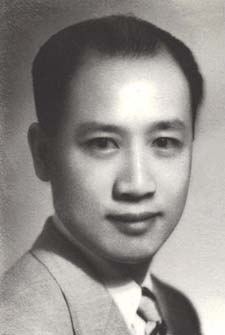
此外,本期亦特別推出華人人物故事——劉攻芸先生。回望上個世紀的風雲變幻,留下許多可歌可泣的人物與篇章。時過境遷,然忠義不改,我們由衷敬佩劉先生高風亮節、堅守原則、操守卓然的精神風範,值得後人銘記與傳承。
希望本期呈現的中華裔社群榜樣力量,無論是年輕領袖還是歷史人物,都能為我們帶來啟發與鼓舞。
-------------------------------------------------------
To Our Readers
As the Year of the Snake draws to a close and the Year of the Horse approaches, we extend our warmest wishes to all our readers for good health, happiness, and good fortune.
The cover figure of this New Year issue is Kent Lee, a member of the San Diego City Council. Elected in 2022, he is the first Chinese American city councilmember since Mr. Tom Hom. Born in Los Angeles and shaped by a Southeast Asian upbringing, Councilmember Lee represents a new generation of Chinese American leadership and is a source of pride for our community.
Now in his third year of public service, this issue highlights his background and experiences in office, and his continued commitment to serving the City of San Diego and its communities.
This issue also features a profile of Mr. Liu Gong-yun(劉攻芸), an admirable figure whose life reflects integrity, loyalty, and enduring moral character worthy of remembrance.
We hope that the exemplary figures featured in this issue of the Chinese American community—whether emerging young leaders or historical icons—will inspire and uplift us all.
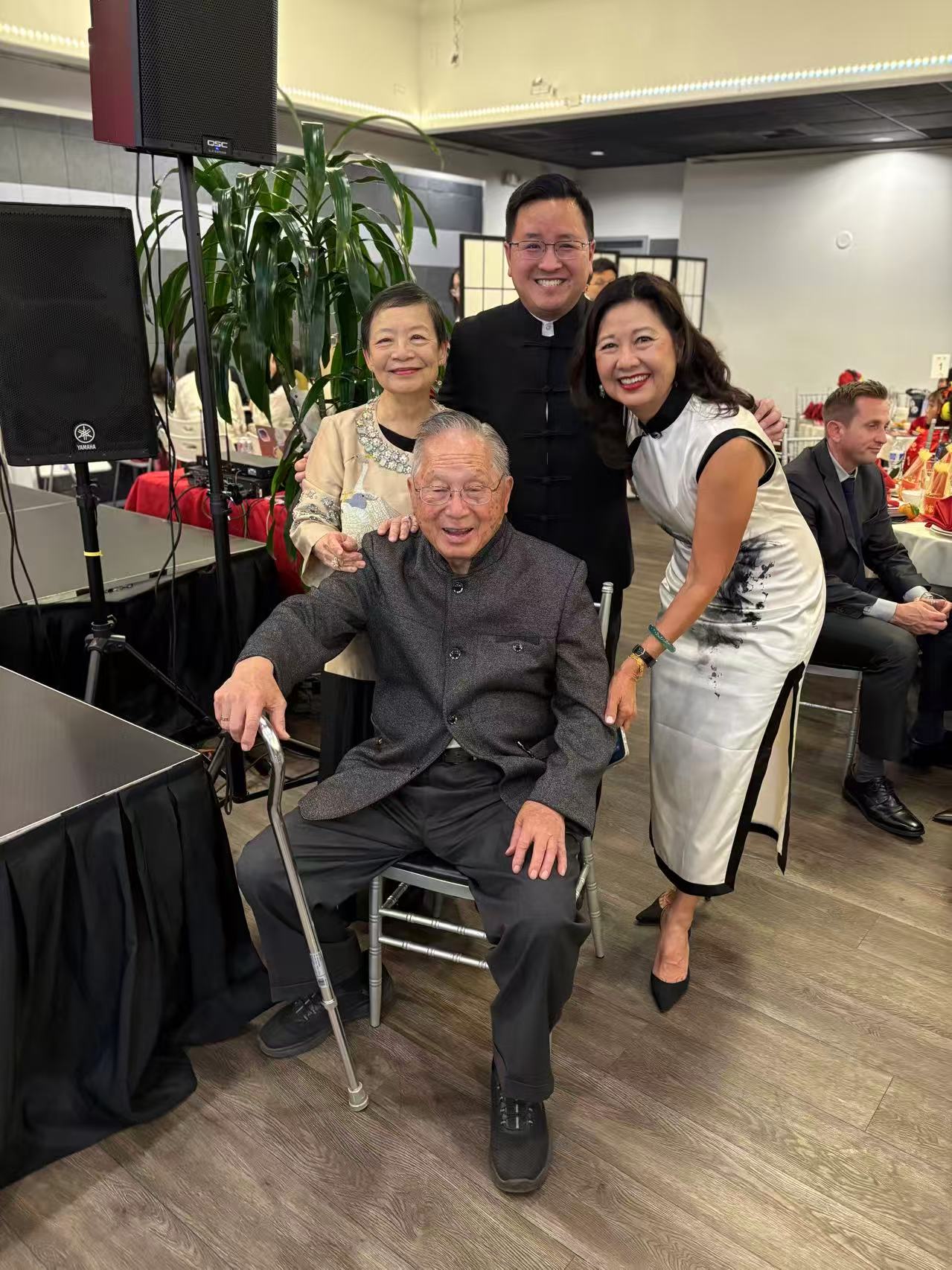
文、圖|劉麗容、李勤富
2022年12月12日於聖地牙哥市中心圖書館禮堂隆重舉行市議會交接暨宣誓就職典禮。當天有四位市議員宣誓就職,其中最受矚目的莫過於第六選區的華裔市議員——李勤富(Kent Lee),是該年聖地牙哥市議會候選人中最年輕的亞裔青年政治人物。早在當年的6月,李勤富市議員擔任《華人》雜誌封面人物,當時他吐露自己投身公共服務的初衷與政治理想。出生於洛杉磯,是典型的80後世代,畢業於加州大學聖地牙哥分校(UCSD),取得經濟學與生物學雙學位。2016年起,他擔任北美規模最大的媒體藝術組織之一的太平洋藝術運動(Pacific Arts Movement)執行董事,長期致力於推廣亞裔美國人與太平洋島民影像創作,並以主辦「聖地牙哥亞裔電影節」而廣為人知。這段文化與藝術領域的歷練,也為他日後的公共政策視野奠定了深厚基礎。
轉眼將近四年的從政歷程,《華人》有幸再次與他訪談,讓外界看見一位年輕亞裔政治人物如何在理想與現實之間前行;同時也得以深入了解,這段政治歷練如何逐步形塑並深化他的思考,並勾勒出更為宏觀的願景與未來藍圖。這樣的成長歷程令人期待,他將在未來持續為城市與社區,特別是亞裔社群裡帶來更深遠且穩健的影響力。
★關於李勤富 Kent Lee
- 請談談你的家庭背景。
關於我的家庭背景,稍微有些複雜。我父母雙方的祖父母都來自中國南方,家族皆為台山人,使用廣東話。後來,我母親那一支家族遷往越南,而我父親那一支則到了緬甸,這也正是我父母各自出生的地方。之後,他們兩人都移民到美國,因此我是在洛杉磯地區長大的。我的母親是家中十個孩子中最小的一位,而父親則是七個孩子中最小的。目前我已婚,育有兩名孩子,而我的太太家庭背景同樣與中國南方有淵源——她母親那一邊的祖父母來自中國南方,她的父親則是越南人。
- 你如何看待自己十年後會在哪裡呢?
我沒有答案。我並沒有規劃過從政之路。當我們在Newport Movement 和Generation Home Festival相識時,我的人生重心一直在非營利組織的工作上。從政並不在計畫之中,所以未來很難說會如何。
我會走到今天這個位置,是因為我想服務社區,而這成為實現這個目標的方式。無論下一步會去哪裡,都基於同樣的原則:為人民服務。我一直有社區服務的熱誠,這也是我生活中一貫的部分。
- 你既是市議會成員,又是兩個孩子的父親,如果你有完全自由的一天,你會做什麼?
我想我會補眠,因為睡眠不足真的不好。就在我們進行這次採訪的時刻,我其實是在家裡,因為孩子們正在放假不用上課。通常有空時,我們會以某種方式與家人共度時光。有時我們喜歡旅行,參觀當地景點,就像其他家庭一樣。孩子們喜歡參加各種活動,但我們通常都待在聖地牙哥附近。
- 是什麼驅動著你?
我覺得有時候,每個人都需要找到一些能讓自己感受到使命感的事物。對我而言,我的工作就是以某種方式服務他人,這也是我人生的一部分目的,這也是我在這裡的原因之一。但我也可以說,大約八年前我們迎來了第一個孩子,對我而言,家庭成為了人生中非常重要的一部分。當然,不只是因為我的太太Phuong和我們的兩個孩子,而是我有責任去支持他們。尤其是對孩子來說,我們的責任還包括幫助他們學習與成長,而這往往也意味著我們自己在過程中不斷學習——一邊學一邊做,一邊學一邊成長。這就是為人父母的過程。我相信每位父母都能體會,總有許多時刻,你會希望自己可以做得更好、做得更多,因為你對孩子負有責任。而且,你也會在孩子身上看到自己的影子,反之亦然。
- 你人生的指導原則是什麼?
其中一些理念來自我在Pac Arts的經驗。除了服務之外,我認為同理心、善良和關懷非常重要。我們人生中所做的一切,都以某種方式與他人相關——無論是與我們共事的人、受我們影響的人,還是我們支持的人。對他人抱持同理心與關懷,理解他們當下的處境,有助於我們更好地完成自己的工作。我確實認為同理心非常重要,這也是我在Pac Arts學到的,因為他們的使命之一就是啟發人們更多的同理心。服務也是我的指導原則之一——它不僅僅是完成某件事,更關乎你選擇成為什麼樣的人,以及這對他人的影響。
★關於領導力 LEADERSHIP
- 你如何定義領導?
我曾在另一個非營利組織服務多年,擔任董事會成員,當時我們經常討論領導力,尤其是針對大學生。許多人認為領導力是你做出的行動——你是領導者,或者展現出領導能力。但我認為,很多情況下,領導力其實關乎人。它在於知道何時應該跟隨,而不是總是領導。有時候,領導就是跟隨。領導力也關乎了解你所合作的人,建立關係,並創造積極的結果。它更多關乎你建立的連結以及所促成的成果,而不僅僅是單純去做某件事。這就是我對領導力的定義——有時意味著帶領,有時意味著跟隨。
- 你的導師是誰?
我必須承認,對這個問題我沒有一個很直接的答案。有時候,你可以從很多不同的人身上學到東西。而且,這不一定非得是你的老師、導師,或者正式的領導者。你會發現,周圍每個人都能以某種方式教會你一些東西。
對我來說,我的人生中曾經有一些時刻,一位前上司教了我很多關於非營利組織工作的經驗。我也觀察過一些領導者,從他們身上學到我不想成為的樣子。這其實非常重要。
我也曾收到過一些反饋,而這些反饋有時候並不完全是正面的。有些事情你可能不想聽,但其實非常重要,因為我們必須認識到自己總是有東西可以學。如果我們不願意聽別人的好意見和批評,就可能會自我感覺良好,以為自己一直做得很好。但我認為,真正重要的是能夠聽取那些持不同意見、擁有不同看法,或是願意給你誠實反饋的人,即使這些反饋不是全部正面的。我覺得,我們最終都是從這樣的人身上學習成長的。
- 你的榜樣是誰?
我覺得有很多人值得我仰慕,因為他們開創了自己的道路,也帶來了影響力。但有趣的是,我不確定這是否符合傳統意義上的「榜樣」。比如,在聖地牙哥,很多人都尊敬譚卓儀(Tom Hom)先生,因為他為政治領域鋪路,尤其是在當時像我們這樣的人大多還沒有機會參與領導工作。他當時選擇站出來領導,這讓很多人都會把他視為榜樣。這真的很棒,因為並不是很多亞太裔領袖會在六十年前,甚至半個世紀前出現。這很了不起。
還有,我在Pac Arts的時候,我們都認識Lee Ann。在很多方面,跟隨她的腳步,我們必須理解並欣賞她為了創立這個組織所經歷的一切。我也必須這麼說,對於任何一直在服務社區的人都是一樣的,因為你自己也在其中付出努力。這真的很好,也很重要,能有這樣的榜樣在我們身邊。
★從政理念與城市治理
- 當初為什麼你會選擇參選?
一開始決定參選,確實是因為有人邀請了我,但那並不只是字面意義上的「邀請」。有時候,人們需要被看見、被支持,而領導力本身也可以有許多不同的形式。很多時候,人們並不會自然地想到自己應該去扮演某一個角色。
在參選之前,我也從未想過自己會走上這條路。正因如此,我更深刻地體會到,往往需要在對的時間,有對的人點出;而我正站在對的位置,也正好能承擔這樣的責任。這是一個能夠有意義地代表社區的機會。我一直視自己在Pac Arts的工作為一種服務型的實踐,有人告訴我,參選只是另一種形式延續同樣的服務精神。
如果說參選的真正動力,那是來自周圍社區的支持。社區的人支持我、鼓勵我前進,這是關鍵因素。從職位角度來看,參選也讓我意識到,在市議會有機會以獨特方式支持社區。尤其是在亞太裔(API)群體中,我無法否認,我們都知道在選舉職位中有亞太裔當選是多麼罕見。雖然這不是我每天行動的全部驅動力,但這種視角對我們團隊非常有價值,因為它讓我們能以前人無法做到的方式認識並支持API社群。
- 可以簡單分享你在市議會的成就嗎?
2022年我當選市議員,第一個任期年是2023年。前幾年中最引以為傲的是擔任領導職務。在第二年,我同時擔任預算委員會和土地使用委員會主席,這非常罕見,因為大多數議員通常只負責一個委員會。那一年,Monica Montgomery Steppe當選縣議員,因此出現了需要有人填補的機會。大多數人認為預算委員會和土地使用委員會是議會中最重要的兩個委員會,因此能同時領導兩個委員會,意義重大。
那一年也是非常艱難的預算年度,我們面臨資金削減,我們必須做出正確決策,以支持社區。我必須承認,我們與市長、同事間有時會有激烈的討論為了努力達到預算的平衡。最終,我們以全體議會的方式一致通過簽署了平衡預算,在艱困的時期算是一項罕見成就。
從那一年起,我每年持續擔任土地使用委員會主席。在工作中,我們努力解決聖地牙哥最具挑戰性的議題之一:住房短缺及房價高昂。這是我非常驕傲的一部分。2024年開始擔任聖地牙哥市議會代理議長(Council President Pro Tem),2025年12月連任。
在議會任期內,我很自豪我們辦公室是一個真正實踐合作的團隊,團隊願意承擔責任,即使面對壓力,也敢於堅持正確、做困難的決定。我們努力與同事及公眾坦承溝通,面對不同意見的人也積極互動。現在社會對政府的信任非常低,各層級政府都面臨挑戰,因此我們更需要誠實面對問題、與民眾說真話。
- 作為市議會議員,你目前最大的挑戰是什麼?
我認為任何市議會議員面臨的最大挑戰是:公眾的需求總是遠遠超過我們實際能解決的範圍。當我們上任時,很快就會意識到,有些問題即便在四年或八年內,我們也可能永遠無法完全解決。例如,有些街道二十年沒有鋪過路——可能在我任內也無法完成。承諾很容易,但這也可能讓人失望。因此,最大的挑戰之一是對公眾保持誠實,並優先處理我們能夠解決的問題。
在財務方面,城市面臨困難。COVID之後,聯邦資金耗盡,而生活成本,包括城市的運營成本,都在大幅上升。我們的資源基本保持不變,但問題的增長速度比我們能處理的快得多。過去二十年,大多數聖地牙哥市民的收入幾乎沒有增加,但租金、油價、食品和托兒成本卻顯著上漲。我們面臨的挑戰與公眾相同,需要尋找創新的解決方案。
- 身為市議員,你認為自己的社會責任是什麼?
我想,也許更準確的說法應該是社會正義的責任。我認為我們有一個很強的市議會,能夠認識到聖地牙哥的多元性有多麼珍貴,也明白與各個社區互動的重要性。
我認為我們每一個人都有責任去認識到,社區裡有些聲音並不總是被納入公共討論中,而且歷史上可能也沒有被充分傾聽。對我個人而言,作為亞太裔社區的一員,我意識到,我的獨特性和責任之一,就是能夠以有意義的方式與這個社區互動。這包括確保他們在市府的各類委員會或董事會中得到代表,也包括在重要場合和紀念活動中被承認。舉例來說,先前市議會紀念了西貢淪陷五十週年。這是許多人來到美國、尤其是來到聖地牙哥的重要起點,具有重大意義。
我們也紀念了寮國社區來到美國五十週年,這發生在越南事件之後不久。這是兩段不同的歷史,屬於兩個不同的族群,但人們往往會將他們混為一談。我們有機會,也有責任去區分這兩者。
所以在這個意義上,關於社會正義,希望能夠根據不同族群的不同生命經驗,給予他們應有的尊重與公義。作為市議員,我也帶著來自父母、祖父母的生命經驗。當你能夠談論自己的經歷時,這會非常有價值。我的信念是:沒有我,就不要講我的故事;沒有Kent Lee,就不要談Kent Lee。這是我的個人理念,也是為什麼我堅持要親自和你進行這次訪談。
另外,關於家庭和生活經驗。我的家庭之所以能在這裡,也是因為同樣的祖父母世代。我母親一家在戰爭期間離開越南,搭船逃難。她在抵達美國之前,曾輾轉世界各地。這些其實是許多聖地牙哥居民共有的故事。但故事是——沒有她,就沒有她的故事。正是這些真實的生命經驗,我希望我們能持續分享下去。
★匯聚多元聲音亞太社群與經濟發展
- 請分享目前你觀察到API社群所面臨的一些具體挑戰。
我認為亞太裔(API)社群,特別是在聖地牙哥,仍然有一段很長的路要走,才能持續成長並深化合作。在過去五、六年間,我們看到了亞太裔聯盟(API Coalition)的成立,這是一項試圖將大家凝聚在一起的努力。在新冠疫情期間,許多人走到一起,嘗試回應仇恨相關的議題,同時也關注在市政府與郡政府層級的代表性問題。
有時候,我們會看看其他地區的社群,例如灣區、洛杉磯或橙縣,那些地方已經有好幾代人的時間,去建立社群意識與集體力量,並思考如何讓自己的聲音以有意義的方式被代表。即便如此,這樣的過程依然充滿挑戰。
在聖地牙哥,我們擁有一個非常多元的亞太裔社群,或許在相對較小的地理範圍內,這樣的多樣性比許多地方都來得高。我認為,當我們能同時做到兩件事時,我們的聲音才會最有力量。
第一,是找到方法,讓大家能以集體的方式、有意義地共同發聲,這包括像亞太裔聯盟這樣的努力,或是由聖地牙哥基金會所支持、用來扶植亞太裔組織的相關計畫。但同時,我們也需要找到方法,不要總是被一概而論,並能夠分辨每一個社群所面對的獨特差異與挑戰,因為這些社群本身就非常不同。即使是在華人社群之中,也存在差異,例如已在這裡生活一、兩代的人,與較新的移民或新來者之間的不同。這樣的情況在許多對話中經常浮現,也因此有不同團體嘗試以各自的方式來參與並連結社群。這是我們必須必須認知到這一點。
像從中國南方到中南半島,從緬甸到越南,這些背景本身就可能凸顯出許多人並不了解其中的差異。因此,人們往往將大家統稱為「亞洲人」。那麼,我們究竟是誰?你所代表的是來自不同背景、擁有多元聲音的族群。也希望透過你在那個位置上,以及你持續講述這些多樣性的故事,能讓更多人加深理解。這始終是一項挑戰。
- 哪些公益或事業是你最關心、最重視的?
我曾花很多時間為不同的組織和公益事業做志工,所以其中有些比較廣泛。我會說,青少年領導力發展對我來說非常重要,而這也反映在我長期的志工經歷中。我曾在聖地牙哥的男孩女孩俱樂部(Boys & Girls Club of San Diego)工作,這個組織專注於青少年領導力的培養,無論是年輕男性還是女性。
在高中時曾參與橘郡美國紅十字會的一個計畫,透過同儕計畫來培養青少年的領導力。也曾參與Alpha Phi Omega,並在離開後參選公職前擔任其全國董事會成員。這是一個以大學校園為主的領導力發展組織,其座右銘是「透過服務培養領導力」(leadership through service),意思是你透過服務他人來發展領導能力。
這些都是我參與青少年領導力發展的例子。在市議會工作中,我們也努力確保青少年的聲音能被納入討論,因為他們往往不被聽見。
另一個我投入很多心力的事業是太平洋藝術運動(Pacific Arts Movement),我曾擔任其執行長。在大銀幕上有代表性的呈現非常重要——當人們看到自己以獨特方式被呈現時,能培養同理心與理解力。
最後,我也曾參與亞裔商業協會(Asian Business Association, ABA)。這不僅關乎亞裔企業,也關乎小型企業的重要性,尤其是對移民群體而言。許多移民家庭正是透過小型企業生存並茁壯,例如餐廳或為社區服務的小商店。在很多方面,這些小型企業是移民家庭成功的核心。特別是來自亞洲的小企業,已經改變了聖地牙哥——它們是變革的推動者。
★新世代責任與社區參與
- 對於正在尋求建議和領導理念的年輕人,你會給他們什麼建議?
我曾經花很多時間參與不同組織和公益事業的志願服務,有些是比較廣泛的。我會說,青少年領導力發展對我來說非常重要。我過去的志願經歷也反映了這一點。我曾在聖地牙哥男孩女孩俱樂部工作,這個組織專注於青少年男女的領導力發展。
我在高中時也曾在橙縣參加美國紅十字會的一個計畫志願服務,該計畫透過同儕機制來培養青少年領導力。我還參與了Alpha Phi Omega,並在我參選前曾擔任其全國董事會成員。這是一個在大學校園中進行領導力培養的組織,座右銘是「透過服務來領導」,意思是通過服務他人來發展領導能力。
這些都是我投入青少年領導力發展的例子。在市議會的工作中,我們也努力確保青少年的聲音能夠被納入討論,因為他們的聲音常常被忽略。
另一個我投入許多心力的事業是太平洋藝術運動(Pacific Arts Movement),我曾擔任其執行長。大螢幕上的多元呈現非常有價值——當人們看到自己的形象以獨特方式被呈現時,有助於培養同理心和關懷心。
最後,我也參與過亞裔商會(ABA)。這不僅關乎亞裔企業,更是要認識小型企業的重要性,尤其對移民群體而言。許多移民家庭靠小型企業生存並茁壯,例如餐館或小商店,服務鄰里和社區。在很多方面,這是許多移民家庭成功的核心。尤其是亞裔的小型企業,已經改變了聖地牙哥市——它們是改變者。
- 最後,你還有什麼想要分享的嗎?
我們其實還在第一個任期內。我認為讓大家知道,我們計畫尋求連任,這非常重要。這不是競選宣傳,而是因為公共服務只有在有機會持續服務的情況下,才能真正延續。我們剛剛正式啟動了連任競選。如果有幸再獲得一次任期,那就代表我們可以再有四年的時間,繼續投入服務。機會總是留給準備好承擔責任的人。
還有一件事——我們尚未深入討論,那就是Convoy持續發生重大變化——這正是該地區持續轉型的過程。這些成果來自團隊的共同努力,不是我個人所能成就的。我們都對最近豎立的Convoy標誌感到非常自豪。這個計畫最初是由Chris Cate發起,並獲得亞太裔商業協會(ABA)及其他夥伴支持。這面標誌意義非凡,它象徵著在聖地牙哥的一個「家」。對我而言,Convoy非常重要。它是聖地牙哥城市歷史中的一個重要篇章也象徵著我們努力的方向——讓亞太裔社群被看見、被認可。
Convoy同時也是目前聖地牙哥最新住宅開發的重要區域,更是小型企業蓬勃發展的最佳範例,不僅是餐廳,也包括各種在地的成功企業。所有這些都反映出,無數個人和團體以不同方式促成了這個區域的發展。我覺得這可以作為這次訪談的完美句點。
若要用三個詞來形容李勤富市議員,「同理心、服務、影響力」無疑是最貼切的。這三個特質,也正呼應了他中文名字中所寄託的期許——不僅是個人精神層面的豐厚,更是一種將自身扎根於這片土地、承載並回應在此發生的所有故事的責任感。他始終懷抱服務他人的初心,並以正向而踏實的行動,轉化為實際可見的影響力,進而在年輕世代的從政與公共參與中產生深遠的示範效應。這個社會,正需要更多像他這樣,以服務為本、具備行動力與視野的亞裔公共人才。